Buying a Home in the Annapolis Valley from Out of Province
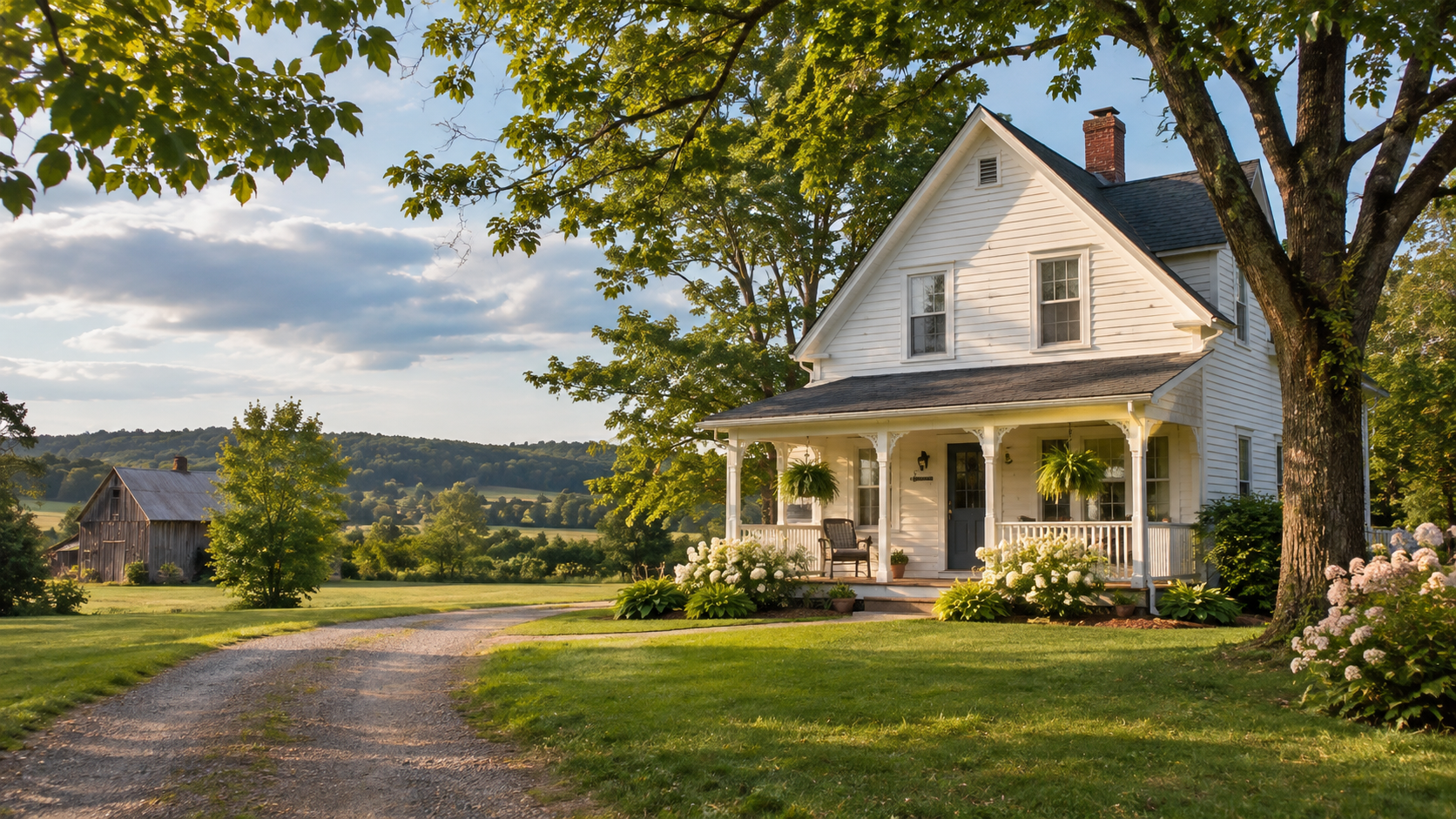
Thinking about buying a home in Nova Scotia's Annapolis Valley while you're still living in Ontario, British Columbia, or somewhere else in Canada?
You might already be browsing listings, comparing properties, or planning a trip to see a few homes in person. But when you're hundreds or thousands of kilometres away, it's not always easy to know which properties are worth pursuing—or what you might be missing in the photos.
The good news is that you don't need to be physically present for every step of the process. With careful preparation, useful local information, and the right professional advice, you can make informed decisions without rushing into a purchase.
I'm Morgan Worobec, a local REALTOR® with eXp Realty, based in Kings County. I work with buyers looking for homes and rural properties throughout the Annapolis Valley, including people who are searching from outside Nova Scotia.
Here's how I recommend approaching the process.
Start Your Property Search Before You Travel
Most people begin by looking at homes online. That's a perfectly reasonable starting point, but finding a listing you like and finding a property that's right for you aren't necessarily the same thing.
Before booking flights or planning a weekend of viewings, spend some time narrowing down what you're looking for.
Think about:
Your budget: What can you comfortably afford, including closing costs, maintenance, and any work the property might need?
Your preferred location: Are you interested in a town like Wolfville or Kentville, or would you prefer a rural property with more space?
Your must-haves: How many bedrooms do you need? Is a garage, workshop, acreage, or home office important?
Your deal-breakers: Are there property conditions, locations, or renovation projects you wouldn't be comfortable taking on?
Your timeline: Are you hoping to move soon, or are you exploring options for a future relocation?
It's also worth speaking with a mortgage professional early, particularly if you're changing jobs, retiring, or planning to sell a home in another province to finance your purchase.
One thing I encourage buyers to do is connect with a local REALTOR® before getting too far into the search.
You don't need to have everything figured out. A conversation about your budget, priorities, and preferred type of property can help you focus on homes that are actually worth considering.
For more general information about purchasing property in the area, visit my guide to buying a home or land in the Annapolis Valley.
What to Expect from a Video Walkthrough
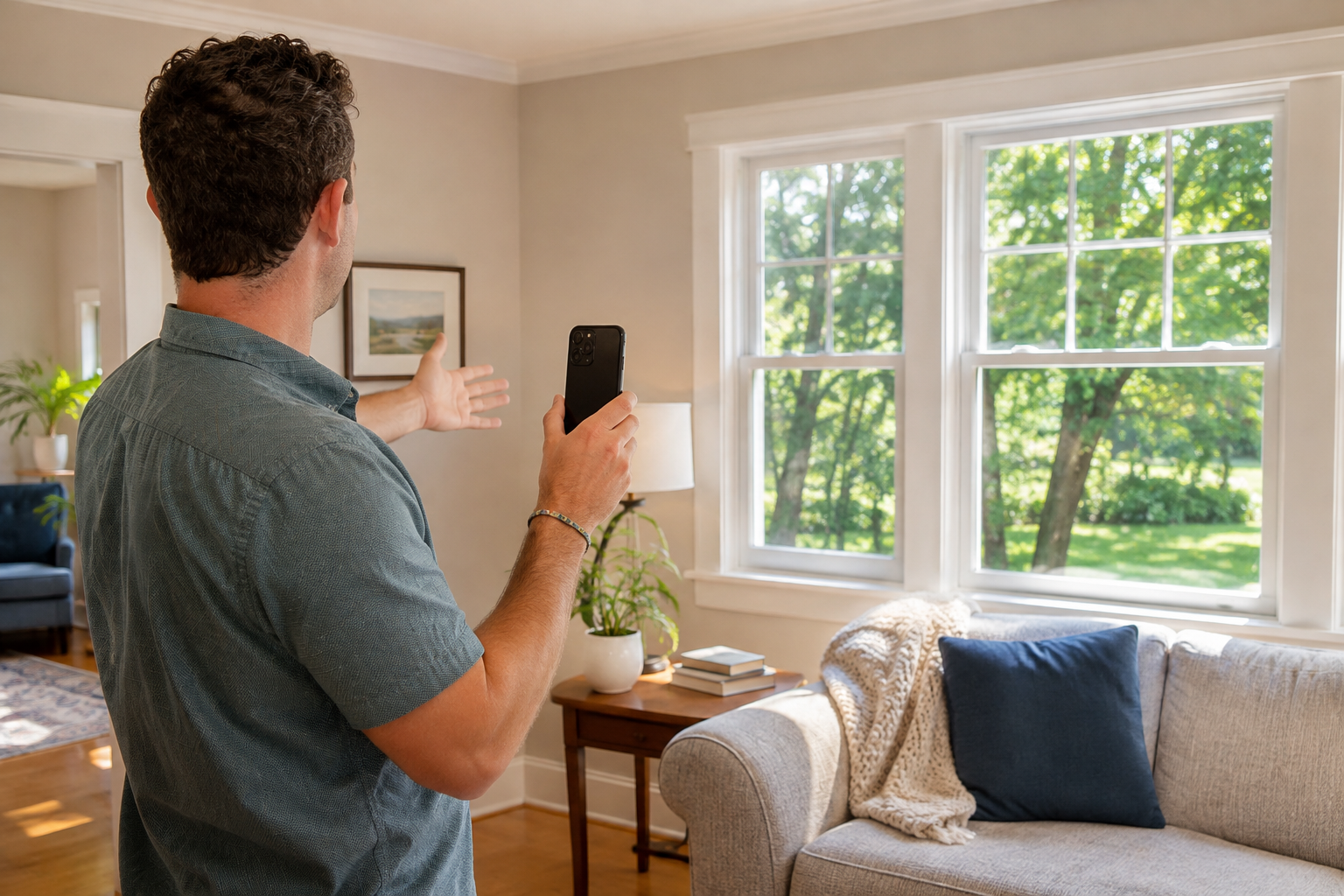
What a Video Walkthrough Can Reveal
A walkthrough can help you get a better sense of:
How the rooms connect and whether the layout works for you.
The apparent condition of finishes, windows, and accessible areas.
Visible damage or maintenance concerns that deserve further investigation.
The property's surroundings and how close neighbouring buildings or roads appear.
Whether the home seems worth an in-person visit or further professional evaluation.
Sometimes the most useful part of a walkthrough isn't discovering something you love. It's identifying a concern that helps you decide not to pursue a property.
When you're buying from another province, video walkthroughs can help you decide whether a property deserves a closer look.
But a useful walkthrough should do more than show you the attractive features already highlighted in the listing.
When I view a property for someone who can't be there, I try to pay attention to things that might not be obvious in photographs.
That can include visible water staining, the condition of windows, signs of wear or neglected maintenance, and questions worth asking about the home's plumbing, electrical systems, or heating.
I also pay attention to things you can't experience through a screen, such as noticeable odours or drafts.
What a Video Walkthrough Can't Tell You
Even a thorough walkthrough has limitations.
A video can't establish whether a foundation is sound, an electrical system is safe, or a well and septic system are functioning properly.
And while I can point out visible concerns and ask questions, a REALTOR® is not a substitute for a qualified home inspector or other appropriate professional.
The purpose of a remote viewing is to help you make a better-informed decision about your next step—not to eliminate the need for due diligence.
Planning a House-Hunting Trip to the Annapolis Valley
If you're travelling to Nova Scotia specifically to look at houses, it's tempting to fit as many viewings as possible into a day.
In my experience, that usually isn't the best approach.
After several properties, the details start blending together. It's harder to remember which house had which features, and you may find yourself rushing through homes that deserve more attention.
I generally prefer narrowing a visit down to three to five properties that are genuinely worth considering.
The goal isn't to see the most houses. It's to spend enough time in each one to decide whether you could actually see yourself buying it.
Make Your Visit Count
Before arriving, try to have a shortlist of properties that fit your needs and budget.
Look at their locations, compare the features that matter most to you, and eliminate obvious mismatches.
During your visit, leave enough time to walk through each home carefully, ask questions, and consider the surroundings.
If you're unfamiliar with the Annapolis Valley, it can also help to spend time in the communities you're considering.
Wolfville, Kentville, New Minas, Canning, Port Williams, and the surrounding rural areas offer different settings and property types. The right choice depends on how you want to live, where you need to travel regularly, and what you're comfortable maintaining.
A house might look perfect online but be in a location that doesn't suit your daily routine.
And if none of the properties feels right, that's useful information too. You don't have to buy something simply because you've made the trip.
Can You Buy a Home in Nova Scotia Without Seeing It in Person?
Yes, purchasing a home without visiting it personally is possible, and some buyers choose to do so.
But buying sight unseen requires extra care.
A home is a significant investment. If you haven't walked through it yourself, you're relying more heavily on the information provided by others.
That makes it especially important to establish clear expectations with your REALTOR® and understand exactly what you're purchasing.
Before moving forward, consider the following.
Be specific about what matters to you. Explain your priorities, deal-breakers, and concerns. Don't assume someone else will know which details you consider important.
Ask questions about anything that isn't clear. Listing descriptions and photographs can't tell you everything. If something seems unusual or information is missing, investigate further.
Arrange an independent home inspection. I strongly encourage buyers to choose a qualified home inspector and have the property professionally evaluated. Depending on the home, additional specialized inspections or testing may be appropriate.
Understand the risks before making an offer. Speak with your REALTOR®, mortgage professional, and Nova Scotia real estate lawyer about the purchase process, appropriate conditions, financing, and closing requirements.
Give yourself time to make a considered decision. Don't let the inconvenience of travelling back to Nova Scotia become the reason you buy a property you're uncertain about.
Buying without visiting isn't the right choice for everyone. But whether you're purchasing remotely or in person, the same principle applies: understand the property as thoroughly as reasonably possible before committing.
What to Look Into When Buying Property in the Annapolis Valley
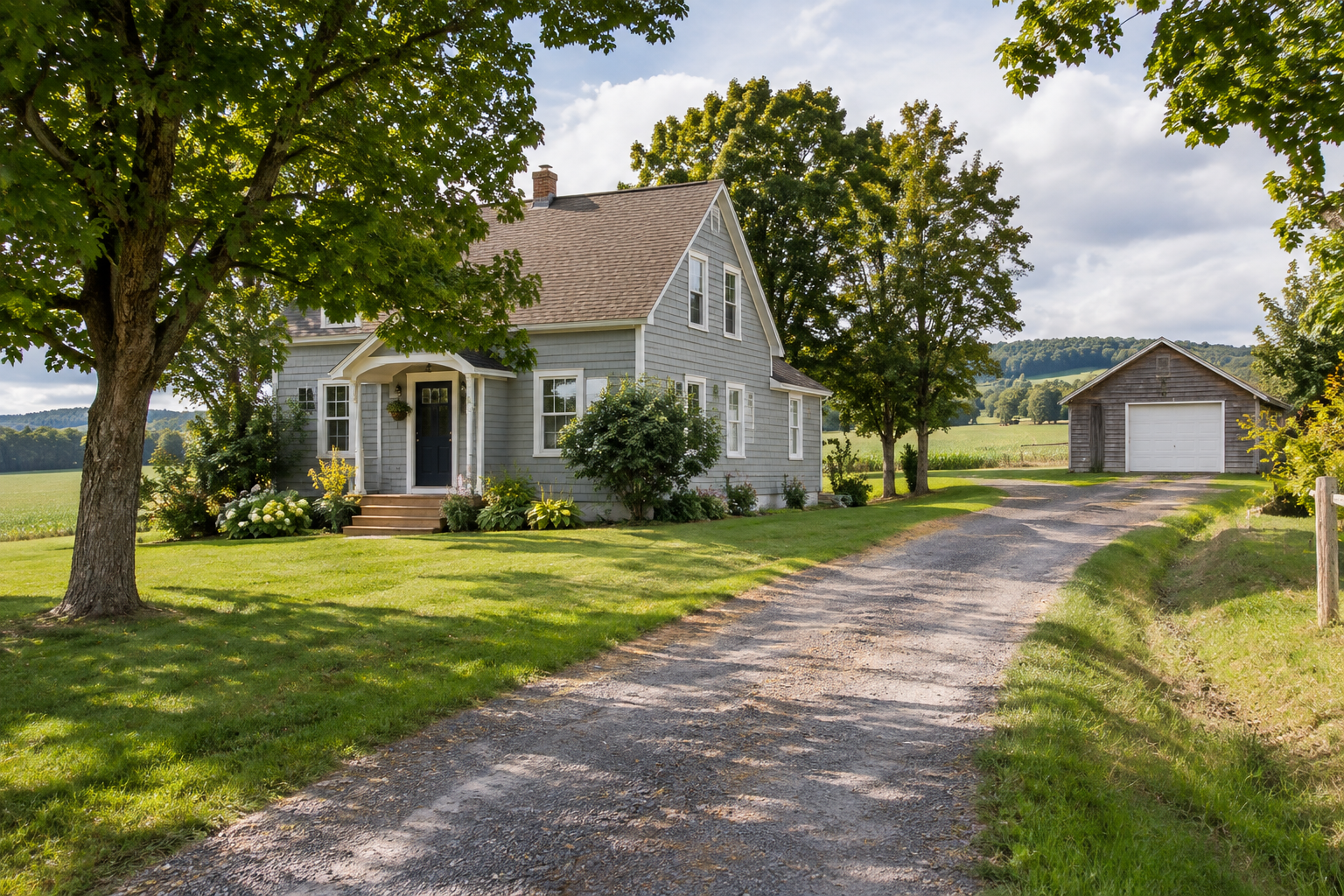
One of the attractions of the Annapolis Valley is the variety of properties available, from homes in established towns to farmhouses, country properties, and rural acreages.
That variety also means there are important differences between properties.
Here are a few things worth investigating, particularly if you're unfamiliar with buying in rural Nova Scotia.
Wells and Septic Systems
Not every property is connected to municipal water and sewer services.
If you're considering a home with a private well or septic system, find out what type of systems are installed, what records are available, and what testing or inspections should be completed before purchasing.
For private wells, Nova Scotia Environment and Climate Change provides a buyer's checklist for private wells in real estate transactions.
Heating and Operating Costs
Ask about the home's heating system, its age, maintenance history, and available operating-cost records.
An older rural farmhouse and a newer home in town may have very different maintenance and heating requirements.
Understanding those costs can help you decide whether a property fits your budget beyond the mortgage payment.
Property Access and Services
For rural properties, confirm how the property is accessed and whether there are private-road maintenance arrangements or other responsibilities.
If you work remotely, check internet availability and service options at the specific address rather than assuming coverage based on the community.
Drainage, Flooding, and Property Conditions
Water management deserves attention when evaluating any property.
Look into grading, drainage, previous water issues, and potential flooding or erosion risks relevant to the location.
For coastal properties, the Province also provides a checklist for buying a coastal home in Nova Scotia.
These aren't reasons to avoid rural or older properties. They're reasons to ask informed questions and arrange the appropriate professional checks.
Understand the Costs of Buying from Another Province
If you're currently living outside Nova Scotia, it's important to understand how the province's non-resident deed transfer tax could affect your purchase.
The provincial tax is currently 10% for applicable residential property transactions. However, buyers who intend to move to Nova Scotia and establish residency within the required timeframe may qualify for an exemption.
Before making an offer, speak with a Nova Scotia real estate lawyer to confirm which taxes apply to your circumstances, whether you qualify for an exemption, and what documentation you'll need.
You can review the Nova Scotia government's current non-resident deed transfer tax guidance.
Don't Rush Into the Wrong Property
One of the harder parts of buying from another province is learning to be patient.
You've spent weeks searching online. You may have travelled across the country to look at houses. When you finally find something promising, there's a natural temptation to make it work.
But not every property is the right property, and not every asking price reflects what a home is worth.
Buyers need to consider the property's condition, location, comparable sales, and the amount of work they may need to put into it.
Sometimes the best decision is to negotiate. Other times, it's to walk away and keep looking.
A successful house-hunting trip doesn't necessarily end with an offer. Sometimes it ends with a much clearer understanding of what you want—and what you don't.
I'd rather help someone take the time to find a suitable home than encourage them to make a decision simply because they're eager to finish their search.
Working with a Local REALTOR® When You're Buying from Away
When you're searching for property from another province, having someone local to discuss listings with can make the process more manageable.
My approach starts with understanding what you're looking for, where you'd like to buy, and what you're comfortable taking on.
From there, we can discuss properties that interest you, identify questions worth investigating, and make better use of the time you have available for viewings.
When I'm viewing a property on your behalf, I try to look beyond its best features and pay attention to potential concerns as well.
My background in land surveying and engineering also informs the questions I ask about land, property boundaries, access, and development considerations. Where professional verification is needed, that work belongs with the appropriate qualified specialists.
You can learn more about my background and approach here.
Ultimately, buying a home should be about finding a property that fits your needs—not just finding something that's available.
Thinking About Buying in the Annapolis Valley?

Whether you're just starting to explore properties or already have a few homes in mind, I'm happy to have a conversation.
Tell me where you're moving from, what kind of property you're looking for, and when you're hoping to buy.
We can discuss what you're considering and what your next steps might look like.
Morgan Worobec, REALTOR®
eXp Realty of Canada Inc.
Annapolis Valley, Nova Scotia
Call or text: (902) 880-7354
Email: morgan.worobec@exprealty.com
No pressure or obligation—just a chance to talk through your plans before you make a major decision.